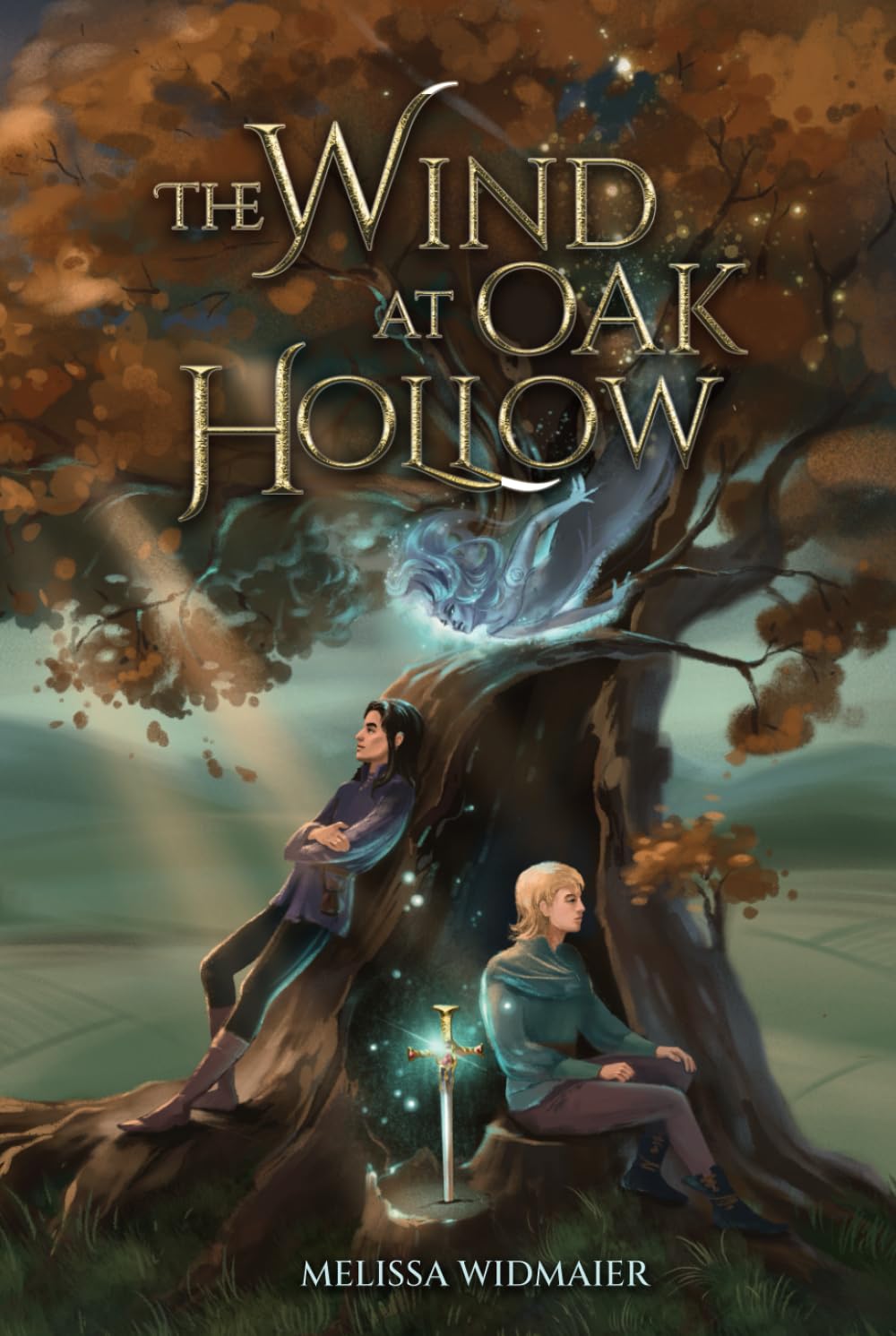
I’ve been selected by Philip Chase (aka YouTube’s Dr. Fantasy) to be a member of his judging team for the 10th annual edition of the Self-Published Fantasy Blog-Off, a contest created by author Mark Lawrence. I have been assigned six titles and will be publishing my reviews for the books here, a process that will culminate in the selection of the title I will advance in the competition. Each of the other members of Philip’s team will also be making a selection, and from those Philip will select our team’s finalist later this fall.
To make my selection I will be using a ten point system similar to the one Philp has been using for the contest. The scale looks like this:
1-2 points—A flawed book
3-4 points—A underdeveloped book with promise
5-6 points—A promising book, likely worthy of recommendation
7-8 points—A solid, admirable book that I will definitely recommend
9-10 points—A new favorite, likely worthy of rereading
I will be breaking my thoughts down via the following six categories:
*World-building
*Opening/Engagement
*Characters
*Plot/Theme
*Prose
*Satisfaction of Resolution/Story arc
I will strive to keep all of my SPFBO reviews non-spoiler.
THE WIND AT OAK HOLLOW is listed as an adult “dark fantasy,” and I wouldn’t have suspected the “dark” part that tag was correct until I got to the final 10% of the book. The world-building has a very rural/pastoral feel to it. The world has a mediaeval economy. The primary religion is polytheistic worship of elemental deities, who become characters in the novel—chief among them, the deity Wind, who takes a keen interest in the primary protagonist. The setting conveys an atmosphere that is fairly cozy and inviting.
The opening drew me in quickly, and swiftly familiarized me with the primary characters and their relationships. However, it took time for the stakes to be revealed. Still, I remained curious about the characters’ circumstances and outlooks.
The featured characters are Marl, who is a Chosen One—known as The Wanderer—and his family. We get to know these characters quite well, and I would say that character development is a strength of this story. The supporting cast is broad and diverse, and naturally secondary characters are less well-developed. With the primary players, we are offered quite a bit of interiority.
The plot is fairly flexible, revolving around Marl’s changing goals and motivations as they pertain to his relationships with his family and a romantic interest. Thematically, the book leans into family dynamics and oneness with the natural world. There is also a strong theme of community, and our interdependence as humans.
The story is told in third-person, utilizing multiple POVs. The prose is clear, accessible, and competently written. The language choices provide a flavoring that lends a distinctive fable-like feel to the storytelling. At times I felt quite drawn-in by the writing itself—particularly in scenes featuring the elemental deities, or discussions of the soft magic system (I very much enjoy a good soft magic system).In regard to pacing, the story often feels unhurried—what some reviewers refer to as a “slow burn” fantasy—which led to a slight unevenness.
In regard to the resolution, I’ll note that the pace in the final 15 or 20% of the book shifts into another gear. With breakneck speed we witness major event after major event, one piling on top of another and another. This is the section at which I fully grasped the use of “dark fantasy” in the tag. Although I found this final section page-turning and intriguing, unfortunately, the shift in tone felt a little unsettling to me.
My score: 5. The Wind at Oak Hollow is competently written and error-free. Patient readers interested in a fable-like feeling and elemental deities may enjoy this story. For such readers, further editions of the series look promising.
 Vaughn Roycroft's Blog